Tenure Is One of the First Questions, Not the Last
When investors look at beachfront hotels for sale in Costa Rica, the photos and the asking price get the attention first. But one of the most important questions is quieter: how is the land actually owned? On Costa Rica’s coast, two very different forms of tenure exist side by side, and they affect financing, permitted uses, transferability, and resale.
This guide explains the difference in plain terms. It is general information, not legal advice — every property should be reviewed by qualified Costa Rican professionals before any purchase.
1. Two Main Forms of Coastal Tenure
Broadly, beachfront property in Costa Rica falls into one of two categories:
- Fully titled (fee-simple) property — privately owned land registered in the National Registry, similar to owning titled real estate anywhere.
- Maritime-zone concession — a time-limited right to use government coastal land, granted by the local municipality, rather than outright ownership.
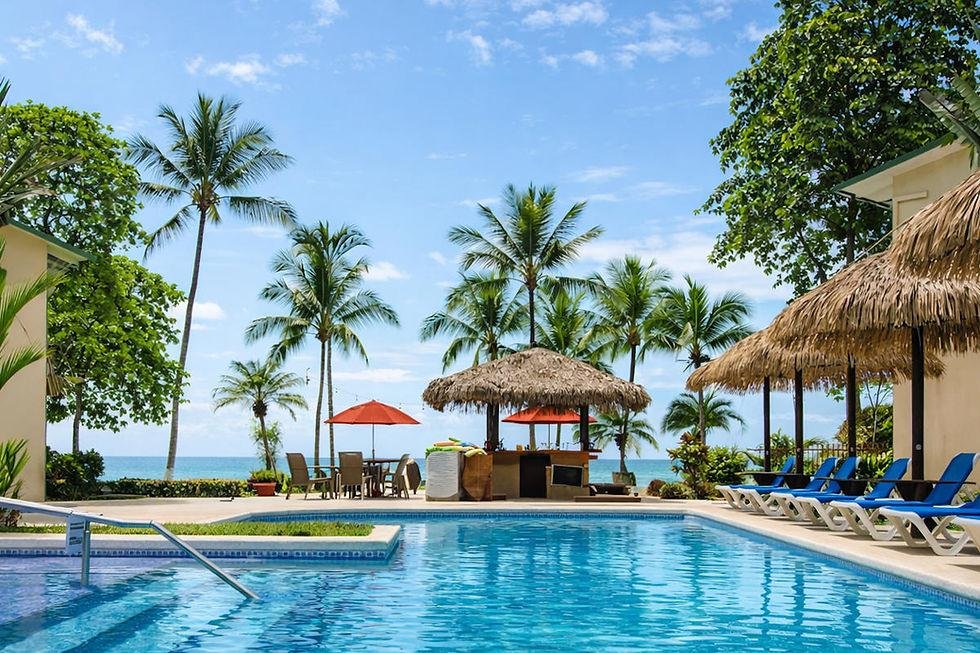
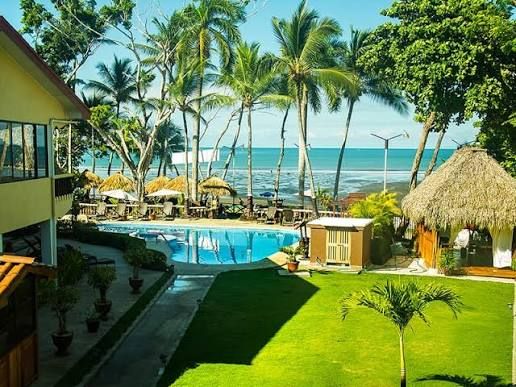
The two can look identical from the beach, but they are legally very different investments.
2. The Maritime Terrestrial Zone (ZMT), Explained
Much of Costa Rica’s coastline falls within the Maritime Terrestrial Zone (Zona Marítimo Terrestre, or ZMT) — generally the first 200 meters of land measured from the ordinary high-tide line. It is typically divided into two parts:
- The first 50 meters (public zone): public land that generally cannot be owned, fenced, or built on by private parties.
- The next 150 meters (restricted zone): land that is usually not sold as fee-simple title but may be used under a concession granted by the municipality, often with involvement from the Costa Rican Tourism Board (ICT).
Exact boundaries, regulatory plans, and permitted uses vary by location and must be confirmed for each specific property.
3. What a Concession Is — and Isn’t
A concession is best understood as a long-term, renewable right to use coastal land, not outright ownership. In general terms:
- It is granted for a set period and may be renewable, subject to approval.
- It is administered by the municipality, often with ICT and a local regulatory plan governing permitted uses.
- Transfers, and certain levels of foreign ownership or control, may require official approval.
- Conditions, fees, and obligations attach to the concession and should be reviewed carefully.
None of this makes a concession a bad investment — many successful coastal hotels operate on concessions — but it is a different asset from titled land, and it should be priced and financed accordingly.
4. Fully Titled Beachfront
Some coastal property in Costa Rica is validly held as fully titled, fee-simple land — for example, parcels properly registered and recognized as private title. Fee-simple ownership generally offers more straightforward transfer, financing, and long-term control than a concession.
Because title claims near the coast deserve extra scrutiny, buyers should verify ownership through the National Registry (Registro Nacional), confirm the registered survey plan (plano catastrado), and have a Costa Rican attorney confirm that the parcel is genuinely titled and outside the restricted zone or otherwise validly held.
5. Why Tenure Type Matters to Hotel Investors
For a hospitality buyer, the form of tenure touches almost every part of the investment:
- Financing: lenders treat titled land and concessions differently.
- Permitted use and development: redevelopment, expansion, or a change of use depends on title status, zoning, and the regulatory plan.
- Transferability and exit: how easily you can sell later can hinge on tenure and required approvals.
- Risk and pricing: the right price reflects not just revenue, but what you are actually buying.
6. A Practical Due-Diligence Checklist
Before committing to any beachfront hotel in Costa Rica, qualified buyers typically review:
- National Registry title study and ownership history
- Registered survey plan (plano catastrado) and boundaries
- Whether the parcel is titled or within the ZMT concession zone
- The local regulatory plan (plan regulador) and permitted uses
- Concession terms, fees, renewal status, and transfer requirements (if applicable)
- Environmental, water, and construction permits
- Applicable taxes and transaction costs
A Costa Rican real estate attorney and notary should lead this review.
7. Where Jaco Laguna Resort Fits
In our featured listing, Jaco Laguna Resort is marketed as reportedly titled beachfront property of approximately 1.25 acres — a detail that matters to investors precisely because titled coastal land can be less common and more flexible than concession land. As with every figure in an offering, that status should be independently verified through the National Registry and qualified counsel before relying on it.
See the Jaco Laguna Resort listing →
New to the series? Start with Blog Post 01: Hotels for Sale in Costa Rica.
Exploring a Beachfront Hotel Purchase in Costa Rica?
We can share available information on Jaco Laguna Resort and other Central Pacific hospitality opportunities, and point you toward the right local professionals for verification.
Message us on WhatsApp — +506 6079 6435Costa Rica Hotel Investment Inquiries
WhatsApp: +506 6079 6435
Email: Williamtincu@gmail.com
Website: HotelForSaleCostaRica.com
Additional website: PuntaLeonaRealEstate.com
Disclaimer: This article is general information for marketing purposes and is not legal, financial, tax, or investment advice. Costa Rican coastal land, maritime-zone, and concession rules are complex and property-specific. Verify all facts, boundaries, title, and concession status with the National Registry and qualified Costa Rican professionals before any purchase.